One thing that was clear to me while walking the floor at this year’s Australian Auto Aftermarket Expo was just how quickly the industry is moving. Vehicles are becoming more connected, more complex, and more reliant on software - changing the very nature of what service and repair looks like. These changes are creating real opportunity, but they are also placing increasing pressure on workshops to keep up.
What that brings into focus is a central challenge for our industry: how can businesses protect profitability today while building the capability they’ll need for tomorrow?
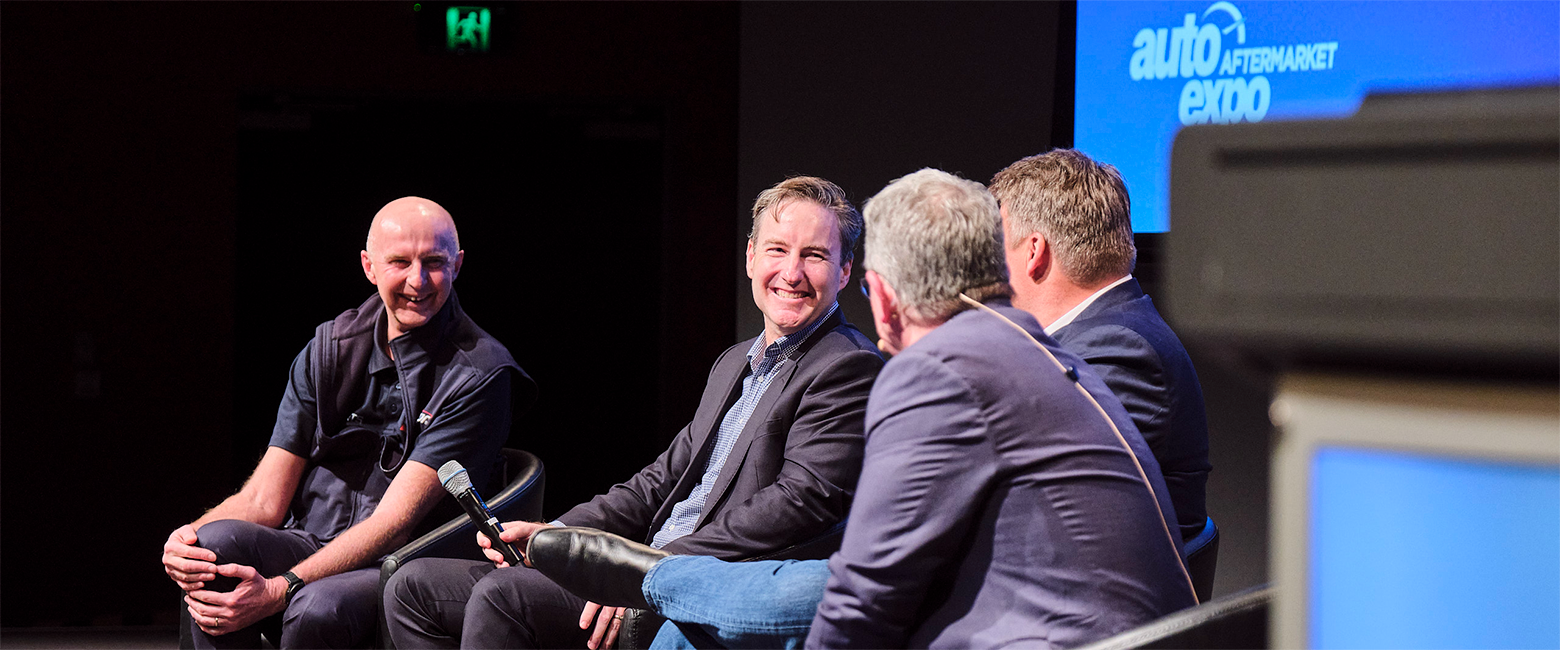
We explored this question during a panel discussion at the Expo, where I was joined by Rob Cameron from GPC Group and Chris Wilesmith from Bapcor Group, with Australian Automotive Aftermarket Association CEO Stuart Charity moderating the discussion.
What came through clearly is that the next competitive advantage won’t come from chasing technology alone, but from getting core business fundamentals right.
At the same time, what we’re consistently hearing from our Members is just how challenging the environment has become.
In Capricorn’s 2025 State of the Nation Report, nearly 80 per cent of Members plan to grow or improve profitability, and more than 60 per cent are confident in their own business. However, only 45 per cent are confident in the broader industry.
In other words, workshops are backing themselves, but they are less confident in the system around them.
The industry itself continues to evolve with resilience. Workshops are shifting toward diagnostics-led service, where skilled labour and technical capability are helping to drive real value. That’s a fundamental change, and one we need to lean into.
But there is one constraint that continues to hold businesses back, and that’s finding and retaining the right people. This remains the number one challenge for our Members. As vehicles become more advanced, that gap between capability and complexity continues to widen. Technology is moving fast, but without the right people and skills, it can’t deliver its full value. That’s why at Capricorn we have a dual focus on promoting the industry to current workers/school leavers and our purchase of Australian Skilled Migration to provide a trusted way of accessing truly skilled overseas labour.
The continued evolution of the industry reinforces why investment discipline is so important. A consistent message we heard at the Expo was investing in tooling without investing in people adds cost without unlocking value. To get a return, it needs to start with investing in people and capability, followed by getting processes right, with technology coming after that and only where it adds real value.
This shift also requires a fundamental rethink of profitability. Busy workshops are often not profitable because labour is not properly clocked, analysed or recovered. Diagnostics and skilled labour must be treated as premium services, not absorbed or underpriced. Businesses must truly charge for and recover their labour costs reflecting the fact that our workers are in actual fact knowledge workers like other professions.
Looking ahead, the industry must remain focused on the customer relationship. Today’s customers are more informed and expect greater transparency, making clear communication and trust more important than ever.
There is real opportunity ahead, but also increasing pressure. The businesses that succeed won’t be the ones chasing every new piece of technology. They’ll be the ones getting the fundamentals right - building capability, running disciplined businesses and backing their expertise through proper pricing.